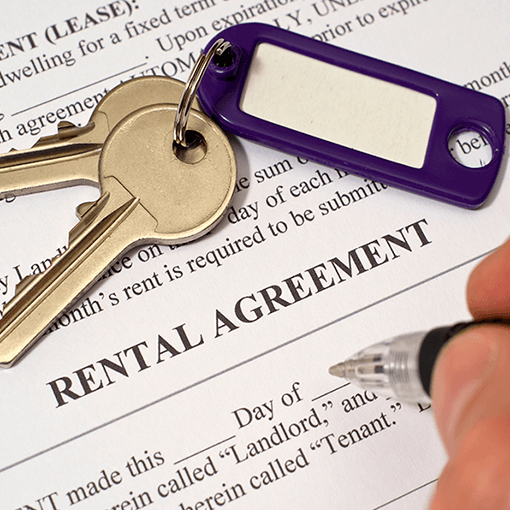
Most landlords and tenants are respectful and appropriate, but sometimes common landlord/tenant issues arise that demand a fair resolution. There are several methods you can utilize to resolve problems with your landlord.
Renters feel comfortable approaching landlords to seek help whenever an issue arises in the rental. Just as property owners have rights, tenants also have many protections. If you know your rights before a problem arises, the odds of a speedy resolution improve, which translates into added enjoyment of your residence.
#1: Study Your Rights
Renter rights vary from state to state, but most states grant tenants the right to a habitable and safe residence. In addition, some legislation addresses reasonable expectations regarding repairs and maintenance; other laws speak to the timely and fair return of security deposits.
Tenants have the right to privacy, non-discrimination and more. State laws outline things a landlord cannot do. For example, a landlord generally cannot stroll into your dwelling without advance notice unless there’s an emergency.
Unfortunately, not all landlords provide the service they could, leading to landlord problems. Some may not know much about the law, and their mistakes may be unintentional. However, in some situations, the landlord refuses to abide by state legal requirements or regulations. If you run into difficulties, determine your legal rights as a tenant before taking any further steps.
#2: Size Up the Dispute Between Landlord and Tenant
Like most business transactions, landlord/tenant agreements contain unique terminology you should understand. One refers to “habitability,” which simply means that the unit is fit for human occupation. For example, tenants usually have a right to running water, heat, and electricity.
Disputes often fall into a handful of categories. They include:
- Damage deposit refunds
- Disputes related to lease terms
- Disputes related to needed repairs or habitability
- Disputes over rent increases, proper notice of changes and more
Make a list of the issues you’d like addressed; it could help focus your conversation and resolve the situation before it escalates.
#3: Be a Good Tenant
What makes a “good tenant?” It starts with paying rent on time as dictated in the lease. Renters should also care for the property and abide by the conditions in the signed lease. That includes following restrictions on the number of overnight guests, having pets and more.
#4: Communicate Promptly and Fairly
Report problems as soon as they arise and be honest about how they evolved. Your lease may spell out how to handle after-hours emergencies; always follow those. In all instances, speed of reporting is essential and can significantly reduce property damage.
Follow up any phone conversation with a written statement of the issue – an email is sufficient.
Explain yourself clearly. If you will be late on rent, explain why. Maybe a recent problem on the job temporarily cut your hours, and you need to request a one-time late payment. The same goes for damages you caused accidentally. Did your child drop a toy down the garbage disposal? Be honest and open. The more information you offer, the faster you and the landlord can agree on a fair solution.
Always give your landlord a chance to work things out before taking further action. Always.
#5 Maintain a Good Mindset
Your goal in seeking a solution should be to leave both sides feeling good when negotiations wrap up. It’s a smart strategy for any negotiation.
First, schedule a time to meet and review the issue. Come prepared to offer solutions, not just present problems. Listen to the landlord’s views and incorporate their concerns into the solution.
#6: Be Prepared to Outline Your Rights
Smart landlords know and utilize positive skills, too. So, hopefully, you will enjoy a productive and pleasant discussion. If you meet resistance, however, remain courteous but don’t waiver in your convictions.
It sometimes helps to present the landlord with legal information such as excerpts from state building codes. This serves two purposes. First, it lets the landlord know that you’re familiar with your rights and could take the matter to court if needed. Second, it offers an opportunity to state that you’d rather skip formal proceedings, work things out and foster improved relations.
If you have access to legal assistance, a lawyer might need to advocate for you.
#7: Dodge Problems Before and After Moving Out
Request a “walk-through” with the landlord to document any repairs needed or existing damages when you move in. Then photograph the unit’s condition when you move in and as you leave. That’s your evidence to prevent significant security deposit deductions when you leave.
Save a copy of your written lease and record any changes or addendums to the agreement. Both parties should sign and date all documents. Keep financial records and receipts for your payments. A witness to these conversations can be helpful.
Understand what “normal wear and tear” means. If you’ve occupied your apartment or house for five years, the landlord knows there will be wear and tear from everyday use of your premises that should not be treated as damage, but some landlords will try to shift the responsibility.
Normal wear and tear occur with shorter rentals, too; it could be worn faucet washers or wear patterns on the carpet by the front door. Tenants generally don’t pay for these repairs unless the lease explicitly states otherwise.
Keep a copy of any notices received, and make sure you provide proper written responses when required. Keep a copy.
Seek advice and assistance from an attorney before signing any documents; it can help you limit potential problems after move-in.
#8: You Can Protest
You have the right to complain about an unreasonable landlord. Your detailed records come in handy if you go to Small Claims court to reclaim your damage deposit, or you file a formal complaint with your state’s agency that regulates housing when negotiations fail.
If you receive court documents, don’t ignore them. Appear in court if ordered to avoid a default judgment. If you are a LegalShield Member, you should contact your Provider Law Firm and immediately provide a copy of the documents.
Identify and honor all deadlines if you need to file a counterclaim for your damages as a defendant or if you need to file an initial action as a plaintiff.
FAQs for Handling Your Landlord
How do you deal with difficult landlords?
It is possible to deal with a difficult landlord if you’re a model tenant. It may not be easy, however. Start with the assumption that your landlord wants to do the right thing. Then, bring a positive attitude to your meeting. Many landlord issues should be quickly resolved if you’ve built a reputation as a desirable tenant, and your requests are reasonable.
Can I make a complaint about my landlord?
Simply stated, yes. If you have exhausted all methods for trying to get your landlord to take action and it becomes clear that they have no intention on handling your issue on their own, you can file a court claim. Since taking your landlord to court will obviously affect your relationship, this should be used as a last effort.
Is there something a landlord cannot do?
Typically, your landlord can’t enter the property without advance notice. Your lease should stipulate other examples of what your landlord can and can’t do.
Learn more about your legal rights.
Do not let a landlord intimidate you or claim you don’t have legal protections. If the landlord doesn’t honor requests that you believe are legitimate, you might want to work with a tenant’s rights lawyer. We can help. That’s just one of the services we offer our members, so contact LegalShield to learn more about what we can do for you.